

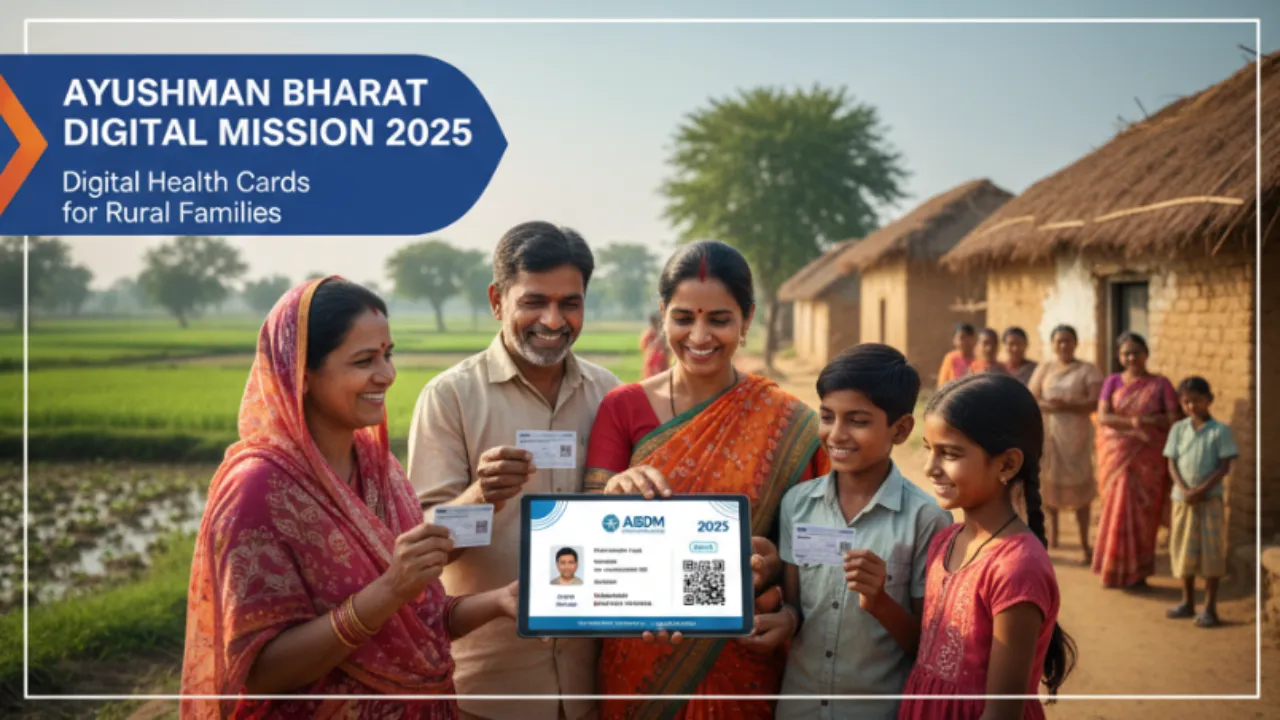
Ayushman Bharat Digital Mission 2025: Driving Healthcare Transformation in Rural India
India's healthcare system is undergoing a quiet revolution, and at the heart of this transformation is the Ayushman Bharat Digital Mission (ABDM). With Digital Health Cards—known as ABHA—rolling out to every citizen in 2025, rural families stand to gain the most. But what do these cards mean for everyday people, and how will they change the landscape of rural healthcare? Let's unpack the story.
What Are Digital Health Cards?
The Ayushman Bharat Health Account (ABHA) card is a unique digital medical ID, issued to citizens under the Ayushman Bharat Digital Mission. Think of it as your Aadhaar, but for healthcare. Every card securely stores your medical records—doctor visits, prescriptions, lab reports, and insurance details—making them instantly accessible online at any hospital, clinic, or pharmacy linked to the scheme.
- Easy access to all past medical documents
- Quick and paperless check-ins at hospitals
- Privacy protected—records shared only with your consent
Why Rural Families Should Care
For millions in India's villages, navigating hospital paperwork, managing referrals, and collecting records is a headache. The digital health card promises a smoother, hassle-free healthcare experience for all—no matter where you live.
- Simplifies doctor visits and admissions
- Cuts wait times at public hospitals by enabling faster verification
- Ensures continuity of care—no lost paperwork during emergencies
According to the Health Ministry, over 67 crore cards have already been created, with special focus on remote and low-connectivity regions.
How Is ABDM Rolling Out in Villages?
The government is deploying Ayushman Arogya Mandirs (wellness centres) to assist in ABHA card registration, support digital onboarding, and provide health education. Outreach campaigns train ASHA workers and village nurses on digital health management. Even districts with patchy internet now use assisted-creation and offline data sync methods.
| State | Cards Issued (2025) |
|---|---|
| Uttar Pradesh | 1.9 crore |
| Bihar | 1.2 crore |
| Madhya Pradesh | 1.1 crore |
| Chhattisgarh | 0.75 crore |
Real Stories and Testimony
Sunita Devi, a homemaker from Bhopal, shares:
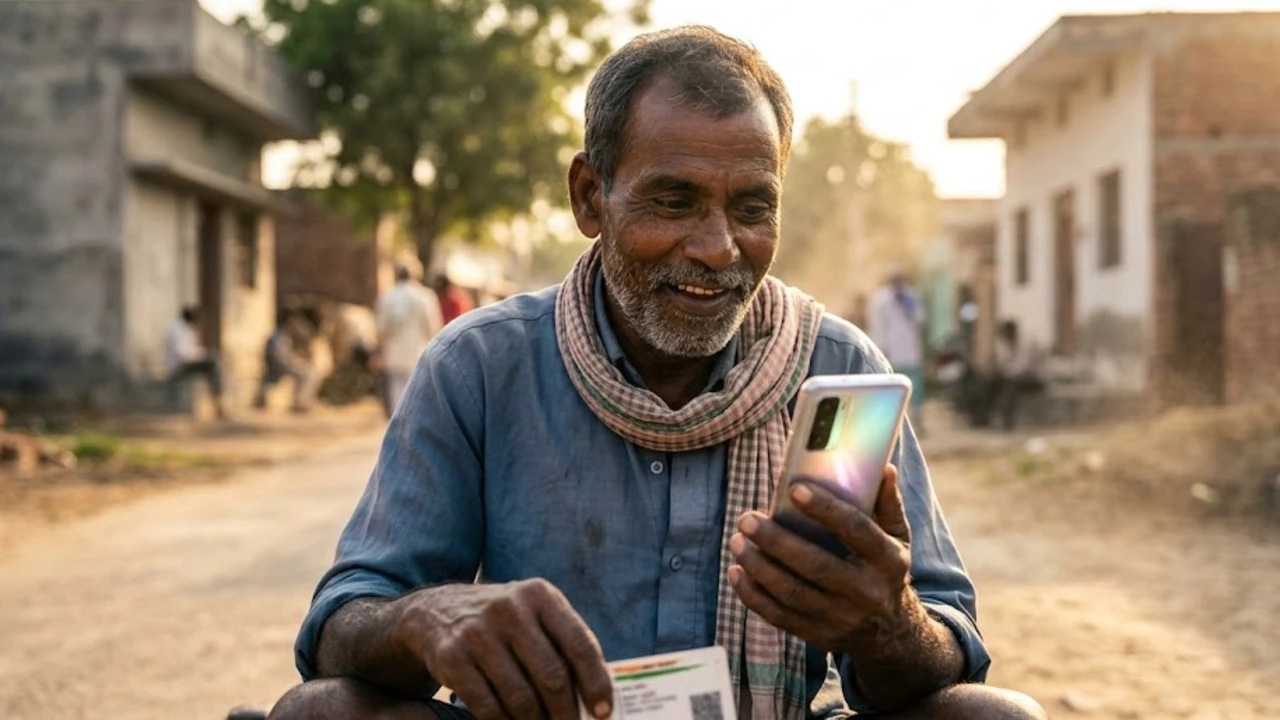
“I used to travel twice to district hospitals—once for appointments, then again to collect lab reports. Now, all test results reach my mobile in hours and I show them directly to doctors.”
Challenges Facing Rural Digitization
- Internet connectivity remains patchy in isolated zones
- Low digital literacy among elderly and marginalized groups
- Concerns about data privacy need continuous addressing
The Ministry is bridging these gaps with mobile clinics, health workers, and local language digital guides.
Key Benefits for Rural India
- Affordable access to public and private hospitals
- Cashless treatment under Ayushman Bharat PM-JAY
- Single digital record for family, easy to update
- Better monitoring of chronic and seasonal illnesses
What's Next in 2025?
ABDM plans to integrate insurance, telemedicine, vaccination history, and elderly care modules into the digital card system. Rural teleconsultancy networks will connect villagers to specialists in metros, and real-time reporting will make public health planning more efficient than ever.
Conclusion
Ayushman Bharat Digital Mission 2025 is more than technological upgrade—it’s a safety net for Bharat’s villages. Digital health cards are making healthcare inclusive, efficient, and future-ready. From Punjab’s remote hamlets to Bengal’s coastal zones, millions of families are now part of a new digital reality where health is truly in their hands.
0 Comments
No comments yet. Be the first to share your thoughts!